Don’t Blame the Tree
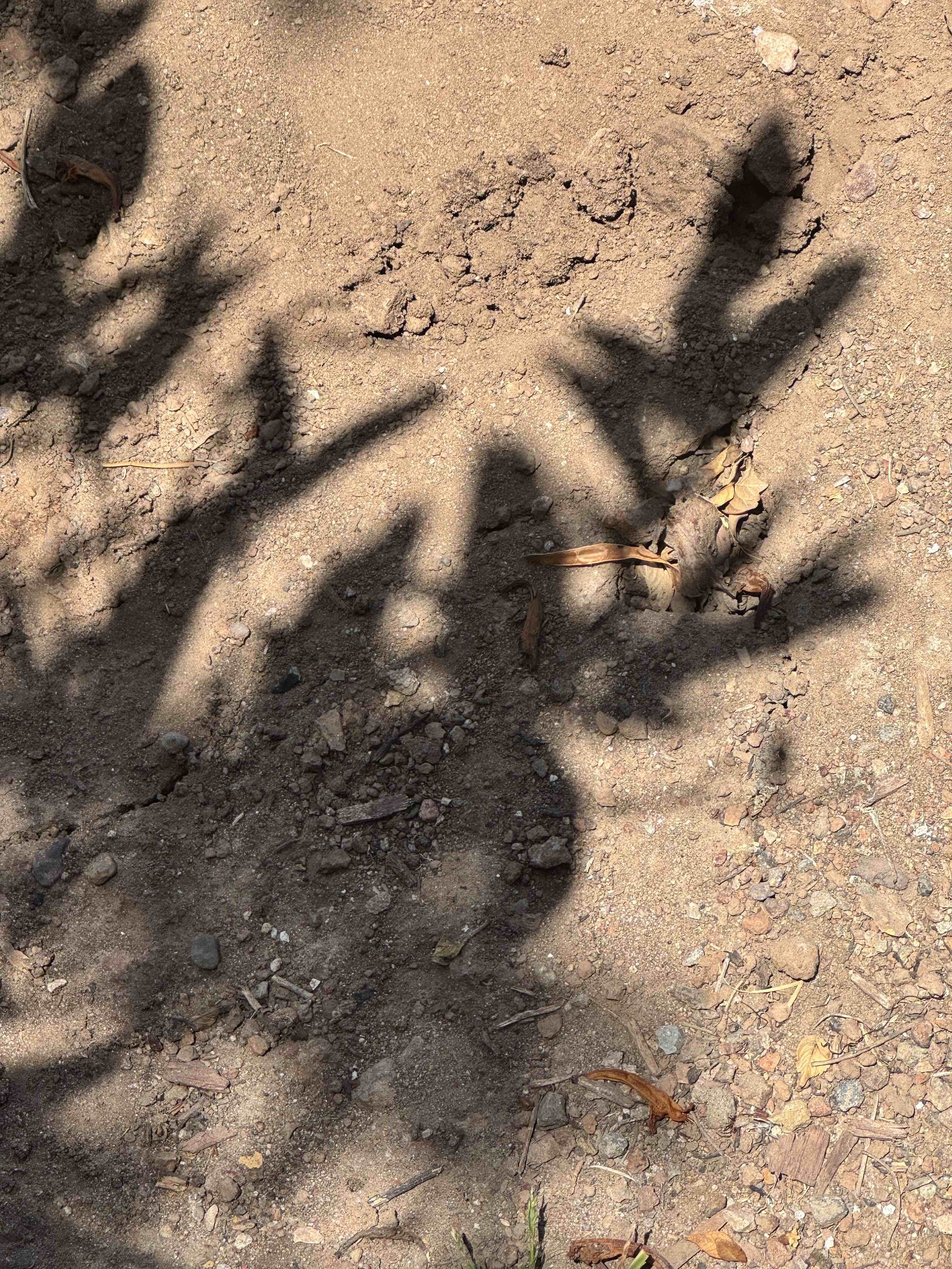
My lemon tree was dying, and I couldn’t figure out why.
For weeks, I stood in my yard looking at its curled, sad leaves. I wondered if a subterranean army of gophers was systematically destroying the roots. I wondered if some exotic, unseen citrus blight had swept through the area. I debated googling plant diseases (even tried Google Lens to no avail), or calling in plant friends to help me diagnose the problem. I puzzled, I pondered—and did nothing—watching the tree wither while I wrestled with how to find a solution.
The irony was that this tree was supposed to be completely taken care of.
Years ago, I had installed a graywater system for my house. It was a beautifully lazy, automatic design: the kitchen sink fed the boysenberries, the washing machine took care of the plum and lime trees, and my bathroom sink and shower routed directly to my fruit trees along the fence—apricot, quince, guava, and lemon.
A long shower? More water for the best apricot you’ve ever tasted. Another load of laundry? Plenty of happy limones for my morning lemon water. As long as my basic personal hygiene was taken care of, the garden thrived automatically. I didn’t have to worry about it. I loved the ease of it.
There was absolutely no logical reason for the lemon tree to be drying out. It should be fine. But it wasn’t.
Periodically, I like to clean out the shower drain—to remove any sludge that might get built up in the line and to make sure the bathtub drains freely and easily. So, the other day I took the garden hose, shoved it into the drain, and blasted water through the corrugated tubing to clear out any buildup. Afterward, I walked out to the garden to check the end of the line. The lemon tree sat just below a thriving apricot and quince.
I looked down at the lemon tree. Despite the water I had just blasted through the pipes, the dirt beneath it was crusty and dry.
Strange, I thought.
I began to walk “upstream,” tracking the black corrugated tubing backward through the garden. I checked the guava—completely dry. I checked the quince—dry. The apricot—dry.
Finally, I rounded the corner of the house and looked down at the foundation where the main PVC piping exits the wall.
Right there, in the dirt, was a massive, muddy puddle. The black pipe had cleanly snapped.
I stood there staring at that muddy patch, and took it all in.
The problem wasn’t a mysterious disease. It wasn’t an untreatable blight, and it wasn’t a hidden army of gophers. The situation wasn’t complicated at all. The source was still flowing perfectly—the water was right there—it just couldn’t get to where it was supposed to go. The line was simply broken, and I had spent weeks wondering what was wrong with the tree. Blaming the tree. Trying to fix the tree.
I wonder, how often does this happen to us in life?
Something happens—a problem, a situation, an issue that we can’t seem to figure out, understand, or make sense of. It is clearly having an impact, but we are not really sure why or what to do about it.
We puzzle, we ponder, and we might even plan—but to no avail. The leaves of our tree keep drying out. Yes, there is fruit, but it is fruit at a cost. Fruit born of struggle, not ease. Fruit that is eked out while the tree continues to wither.
We can get stuck thinking that the solution is beyond us, beyond our capacity, beyond our ability.
In reality, the solution is actually quite simple and quite clear: we have become disconnected from the source. Our flow has been disrupted. That which we assumed was happening automatically somehow has stopped happening.
But instead of realizing it, we wonder what the problem is. We blame the tree.
The solution? To bring back the ease. To bring back the flow. To repair the connection.
It doesn’t have to be a struggle.
We just need to be connected.
If you are looking for practical tools or community to help you find your rhythm, here are a few ways to step in:
✨ Take the Reins: A monthly practice in agency. Join our intimate, hour-long community gatherings to explore how the wisdom of horsemanship can help us navigate modern human challenges. Second Sunday of the month, 10am Pacific.
🌿 The Return: A 10-Week Journey Home: A self-guided audio journey back to the energy, ease, and vitality you know are possible, but somehow went missing. Explore the fully unlocked 10-week audio archive inside a private Marco Polo Sharecast entirely at your own pace.
🧘 The ABCs of a Deep Seat: A free guide to finding your centered, grounded connection—that frequency that keeps you from being thrown when the trail of life gets rough.
