Pacas at the Gate
Awhile back, I wrote a piece called “Coco at the Gate.” It was about one of our dogs, a Belgian Malinois, who has a beautiful garden to inhabit but chooses, instead, to spend his time watching the gate—ready to bark the moment anything comes near. Instead of enjoying the expansiveness of his territory, he remains hyper-vigilant, staring at the barrier.
The other day, I realized the same thing is true with Pacas
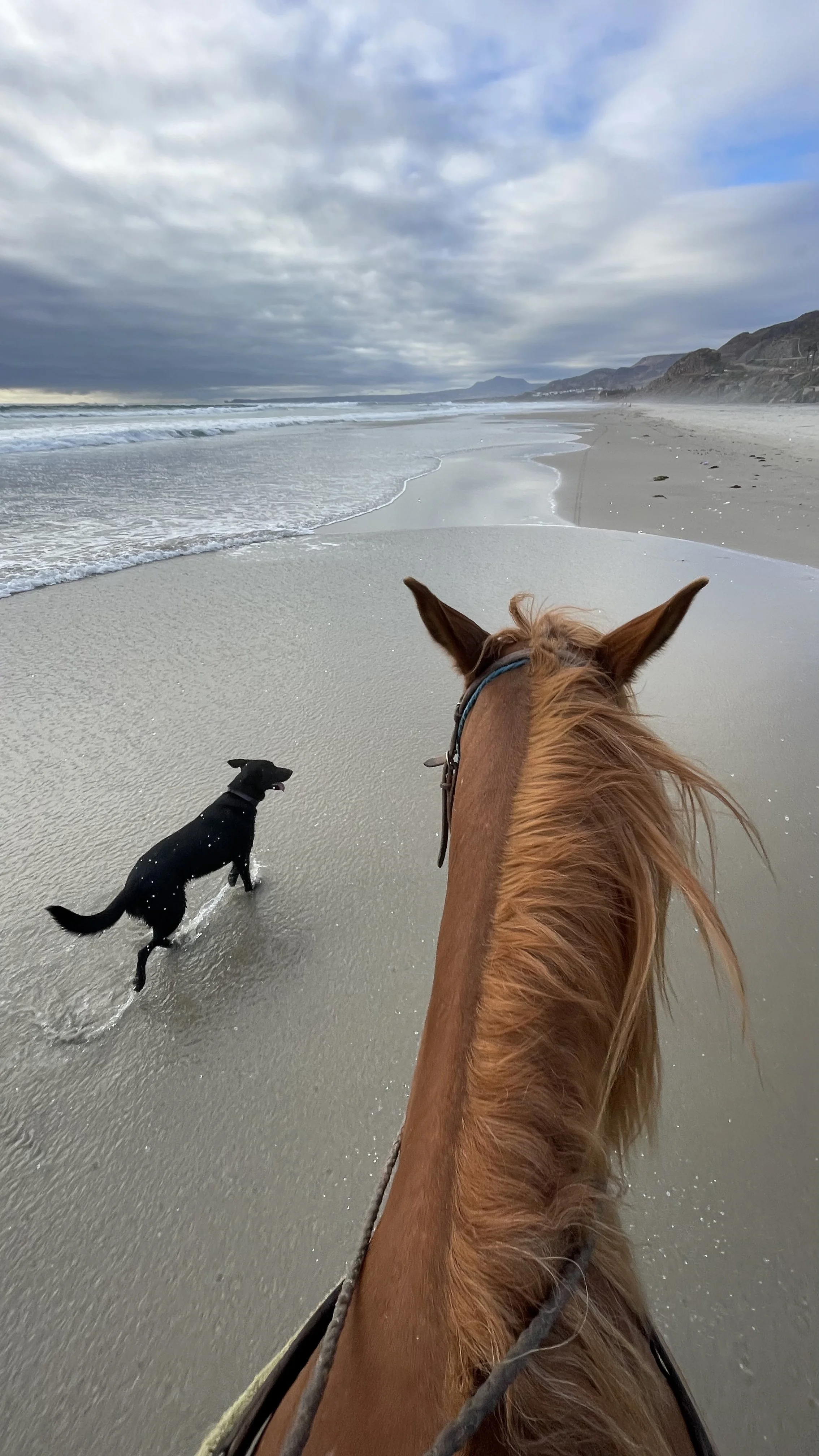
Unlike Coco, Pacas lives on the “public” side of the gate. She is free to roam the entire corral, chase the chickens (which is frowned upon, though she does it anyway), find a perfect stick to chew on, or head up the hillside to visit her puppy friend, Ares. She can even join us on a ride. And she does all those things, eventually curling up in a pile of exhaustion on her favorite chair when the world gets to be too much.
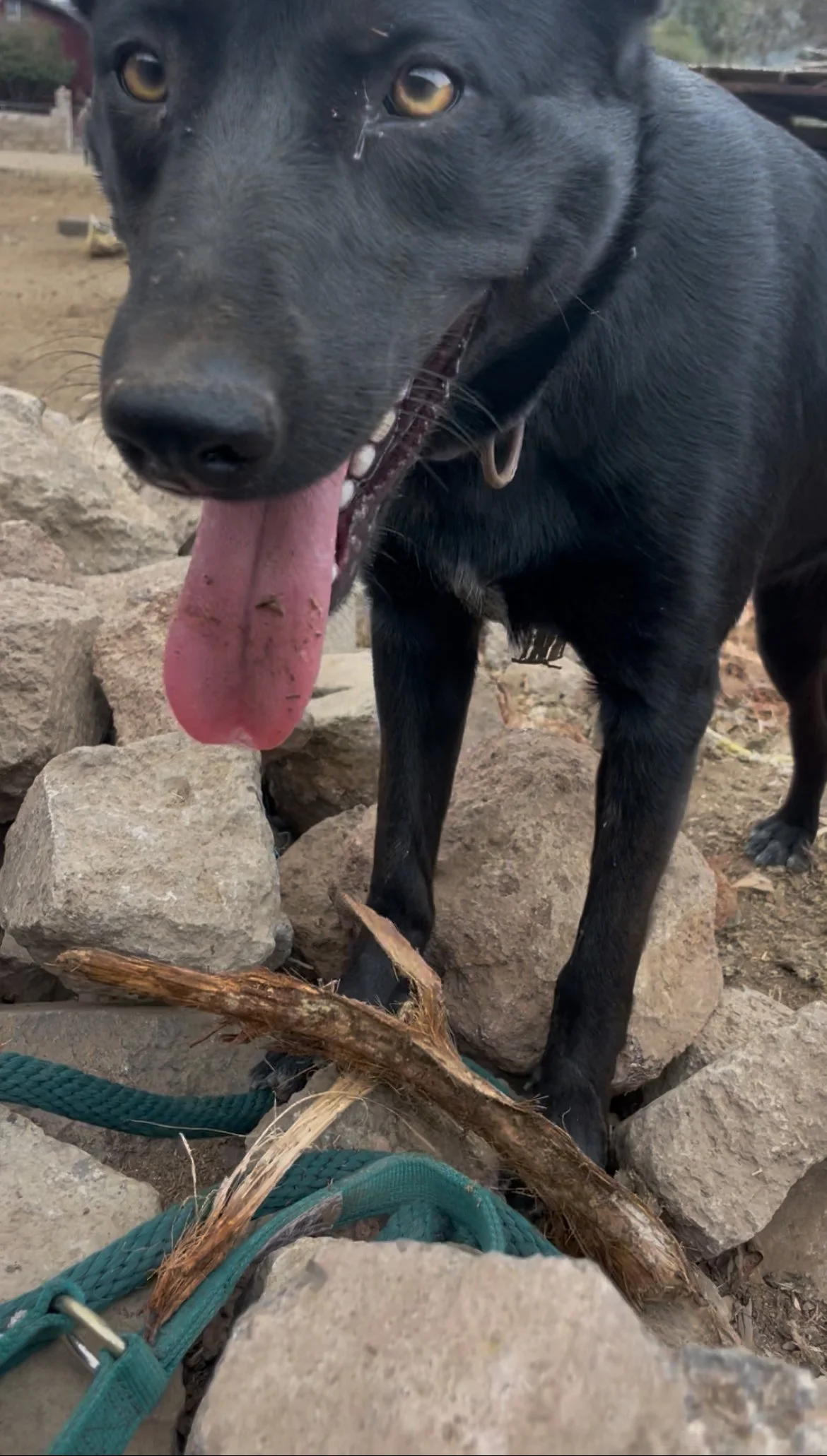
But Pacas also spends a significant amount of time sitting and staring at the gate. Waiting. She’s waiting for Coco to come up to his side so that the two of them can bark at each other through the wood and metal—a barrier that either one of them could easily jump over if they truly chose to.
Why?
Why bother with the gate? Why obsess over the dogs on the other side when you have the entire corral—the entire world, really—to inhabit freely?
This Substack is reader-supported. To receive new posts and support my work, consider becoming a free or paid subscriber.
I think this is exactly what we do with our own attention. Instead of allowing our minds to explore, to “chase chickens,” or to play with new ideas, we keep our focus laser-locked on our own version of the gate. Hard eyes. Concentrated. Intense.
The trouble is, when we remain in this state of narrow focus, we actually lock out the creativity and curiosity we need to solve problems. In her book Beyond Anxiety, Martha Beck notes that when we are in a state of anxiety—that hard-eyed intensity—we literally cannot engage the creative parts of our brains.
The two states are mutually exclusive. Like Pacas, when she is off in the corral searching for Jesus the cat, she cannot be staring at the gate. But when she is sitting there, locked onto the barrier, she is blind to the rest of her world.
Part of the reason we practice the idea of Soft Eyes is to learn how to gently pull our attention away from the gate. We aren’t just “relaxing”; we are enticing our minds back out into the world to play. We are choosing the corral over the conflict.
I wonder - what is your ‘gate?’ Is it a looming deadline? A worry about the future that you find yourself barking at through a fence? A concern over a loved one?
Can you catch yourself ‘staring at the gate?’ Try softening your gaze. Look past the wood and the metal of that one situation. The creativity you need isn’t waiting at the gate - it’s waiting out there in the open field.
A Note from the Open Field:
If you find yourself staring at the “gate” more than you’d like—locked in those hard eyes of worry or hurry—I’d love to invite you back into the corral with us.
The Return begins this Sunday, May 17th.
It is a 5-week, self-guided practice designed to help you gently pull your attention away from the barriers and back into your own life. It’s about finding that wide, creative stance again—one breadcrumb at a time.
