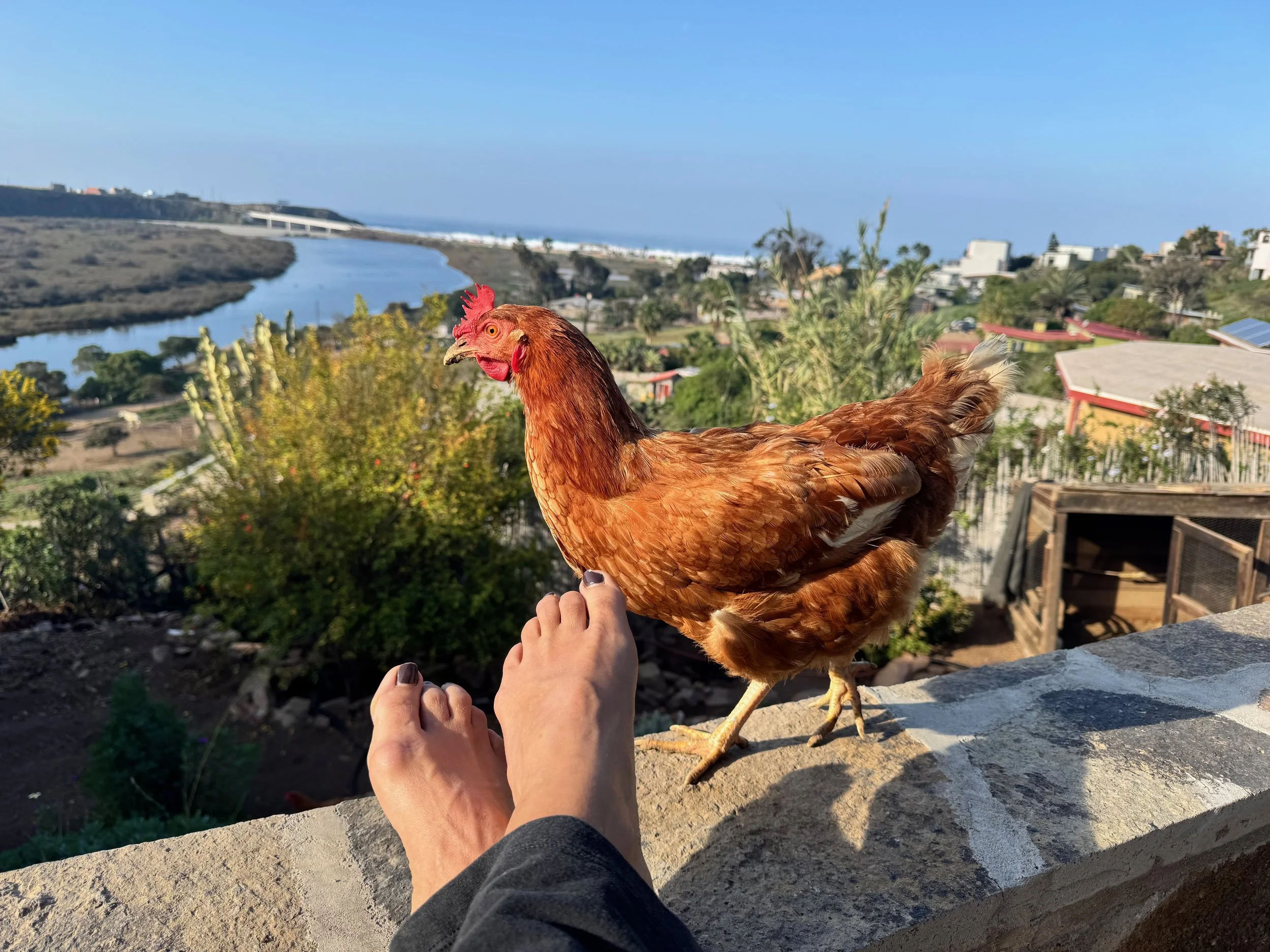
On Doing Nothing
This morning, while sitting on the new patio (Thank you Antonio!) listening to the birds—ever since I got the chickens I have a whole host of birds that love to sit in the bougainvillea and sing to their heart’s content—and drinking my lemon water (I know, it makes me sound like an old lady, but the thing is, I really am enjoying it!), I found that my ’15 minutes of nothing’ stretched itself out into more like a half hour.
It felt so luxurious to simply be.
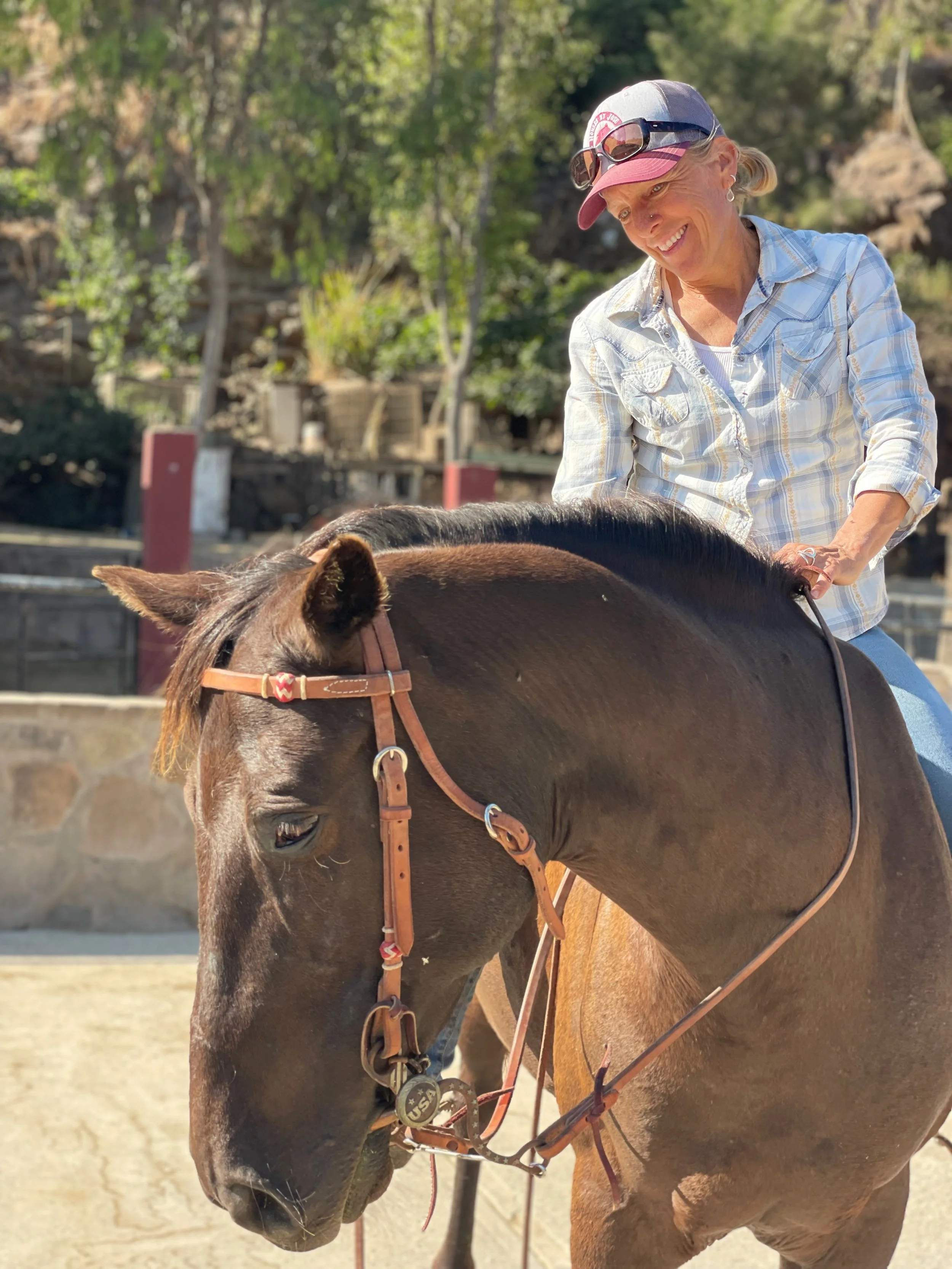
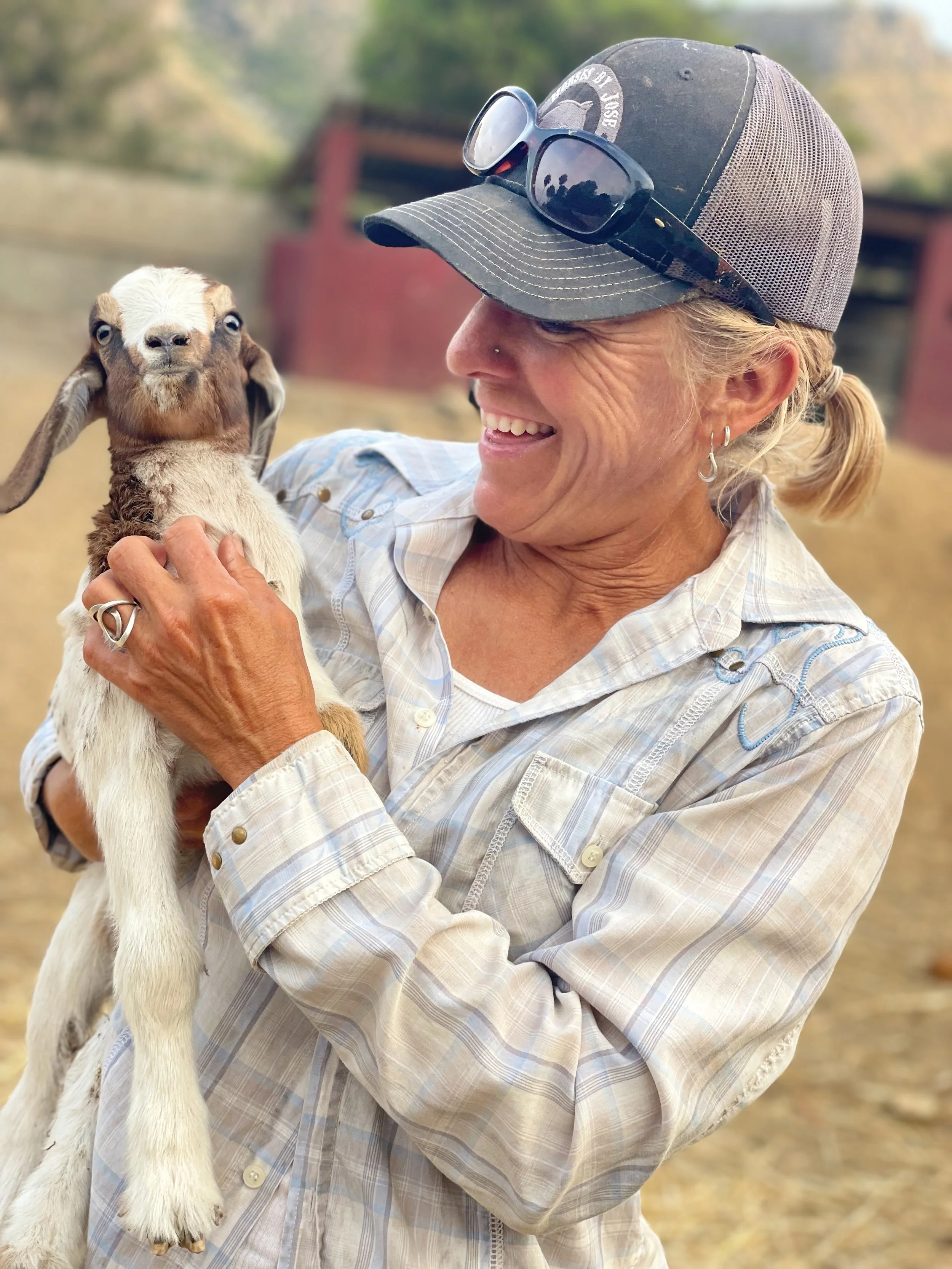
The Lifeline of a Shared Word
I am beginning to realize that this practice of writing—this sitting down to ponder, process, and consider—is not a luxury, not an extra. It is also not a task, a chore, or another item on a checklist. This writing practice has become the fuel for the rest of my day.
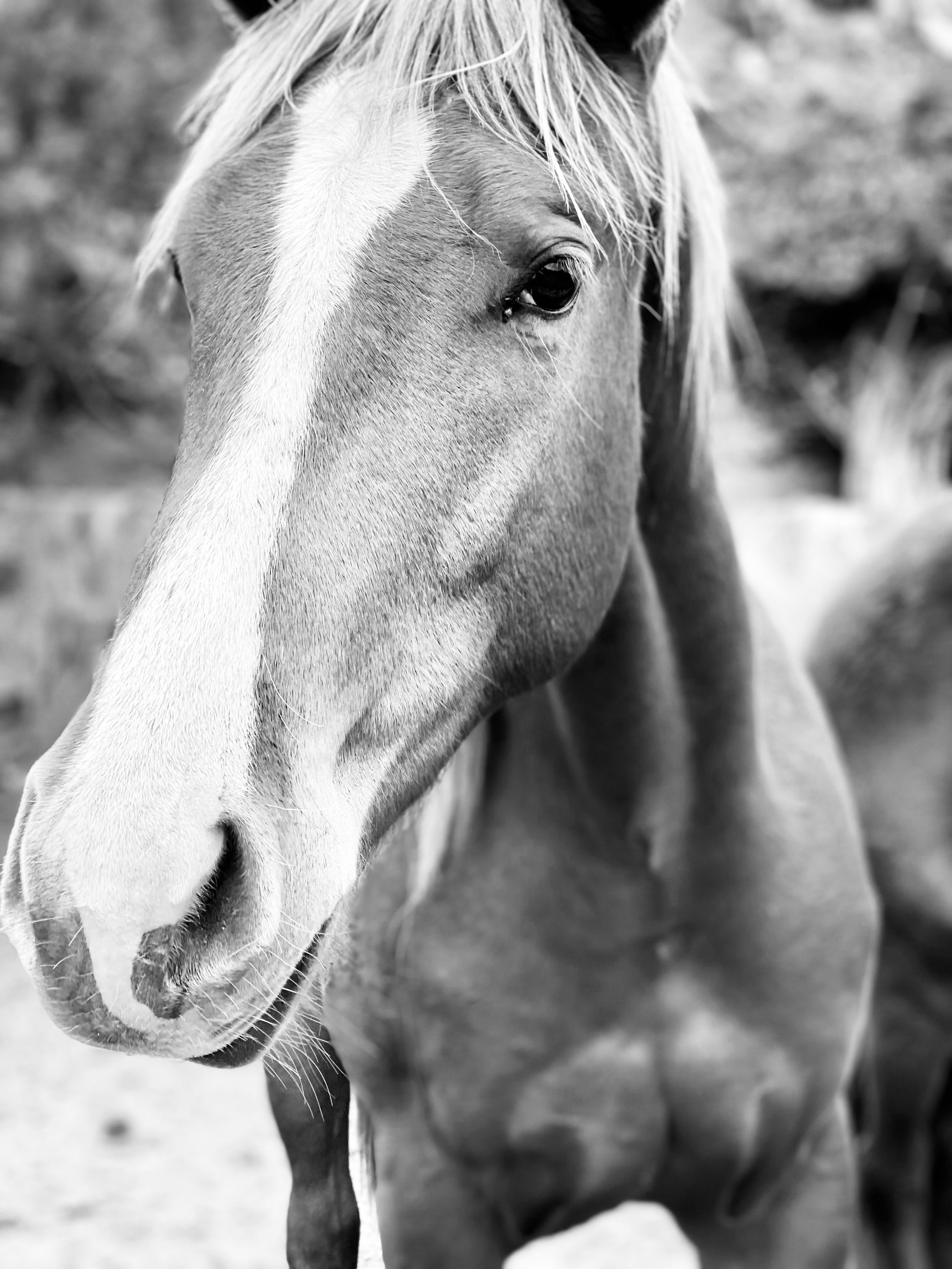
The Signal of Bad Tired:
It was years ago when I first realized that perhaps ‘bad tired’ was actually a signal. By ‘bad tired,’ I mean that specific feeling of being depleted, of being run ragged, of having absolutely nothing left in the tank.
A signal? Yes. It’s strange, but whenever I think about this, I picture myself in a CVS parking lot in the late afternoon. Perhaps that is where the realization first landed. I was in the thick of ‘bad tired’—cranky, depleted, and frustrated. “I wonder,” I thought to myself, “if this is trying to tell me something?”
Two Kinds of Tired: The Physics of Agency
Have you noticed it? There are two kinds of tired.
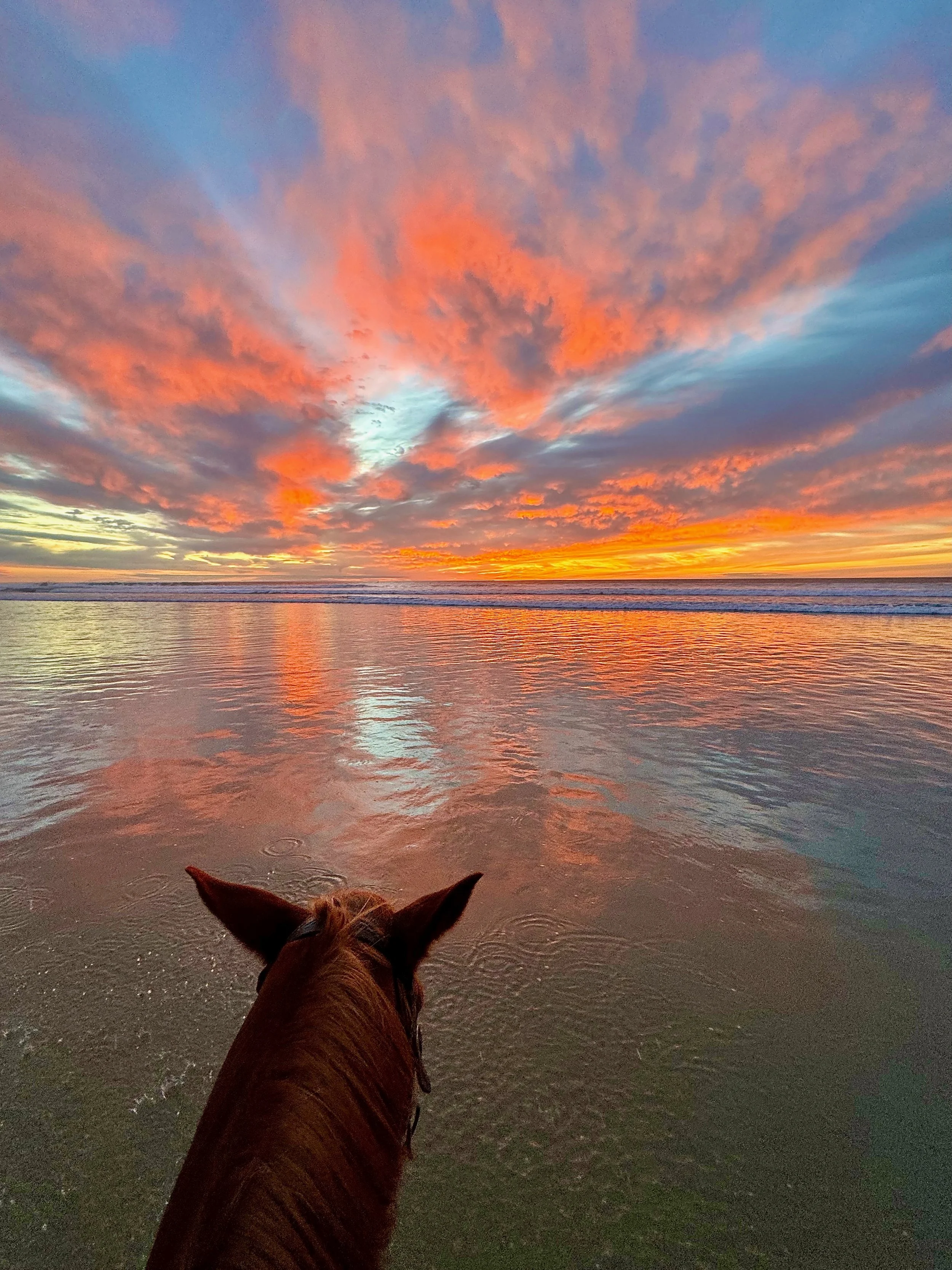
There is the tired that comes from doing something hard, challenging, and self-chosen. This is the exhaustion of the gym, of learning to invest when the concepts feel like they are swimming in your brain, or of galloping down a beach when, on your first ride, you were nearly crying with fear. I call this Good Tired. It is the result of stretching yourself—physically, mentally, or psychologically. It is the fatigue that follows a change you initiated, or the conquering of something that once seemed insurmountable.
Then there is the other kind.
Building the Muscles of Agency
The thing with agency is, it’s not necessarily a straight line. It isn’t so much a smooth, paved path or a one-time destination. It is more like a muscle. And like any muscle, if you haven't used it for heavy lifting in a while, the first time you put it to work, it’s going to feel awkward, shaky, and perhaps a bit exhausting.
The other thing is, when you start to reclaim your agency, the road often gets bumpier before it gets smoother. In those moments, it can be incredibly tempting to backpedal. Your internal monologue—and sometimes the people around you—might whisper, “Let’s just go back to the way things were. It was easier then. Let’s just forget about this shift.”
But the problem is that when we "forget about it" to keep the peace, we aren't just pausing our progress; we are actually training ourselves to stay small.
Life Between the Gallops
I love the adrenaline of galloping down the beach—the wind in your hair, the pounding hooves, the rush of pure possibility. It’s exhilarating. And fun.
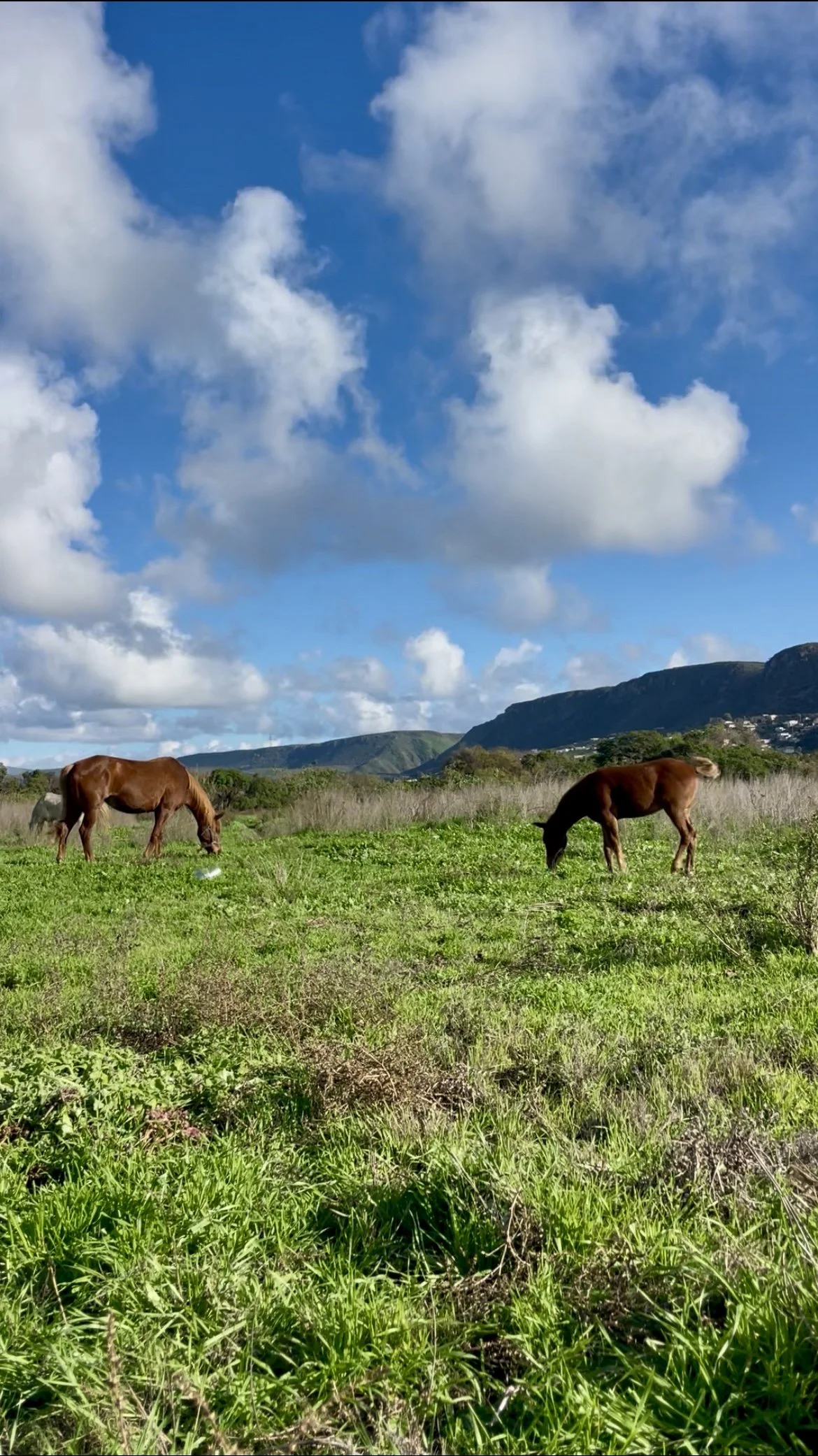
But with horseback riding, and also with life, the reality is that most of our time is lived between the gallops. Life can’t be lived at a full-out run; eventually, the horse or the rider will collapse.
I’ve been thinking—the New Year often feels like that galloping energy: new beginnings, new opportunities, new possibilities. Especially with it being the Year of the Horse! But by the end of January? The energy can feel like it has run its course. The "New Year, New You" sparkle seems to have faded into "New Year, Same You."
Raising Your Energy (Taking Up Space)
"Raise your energy."
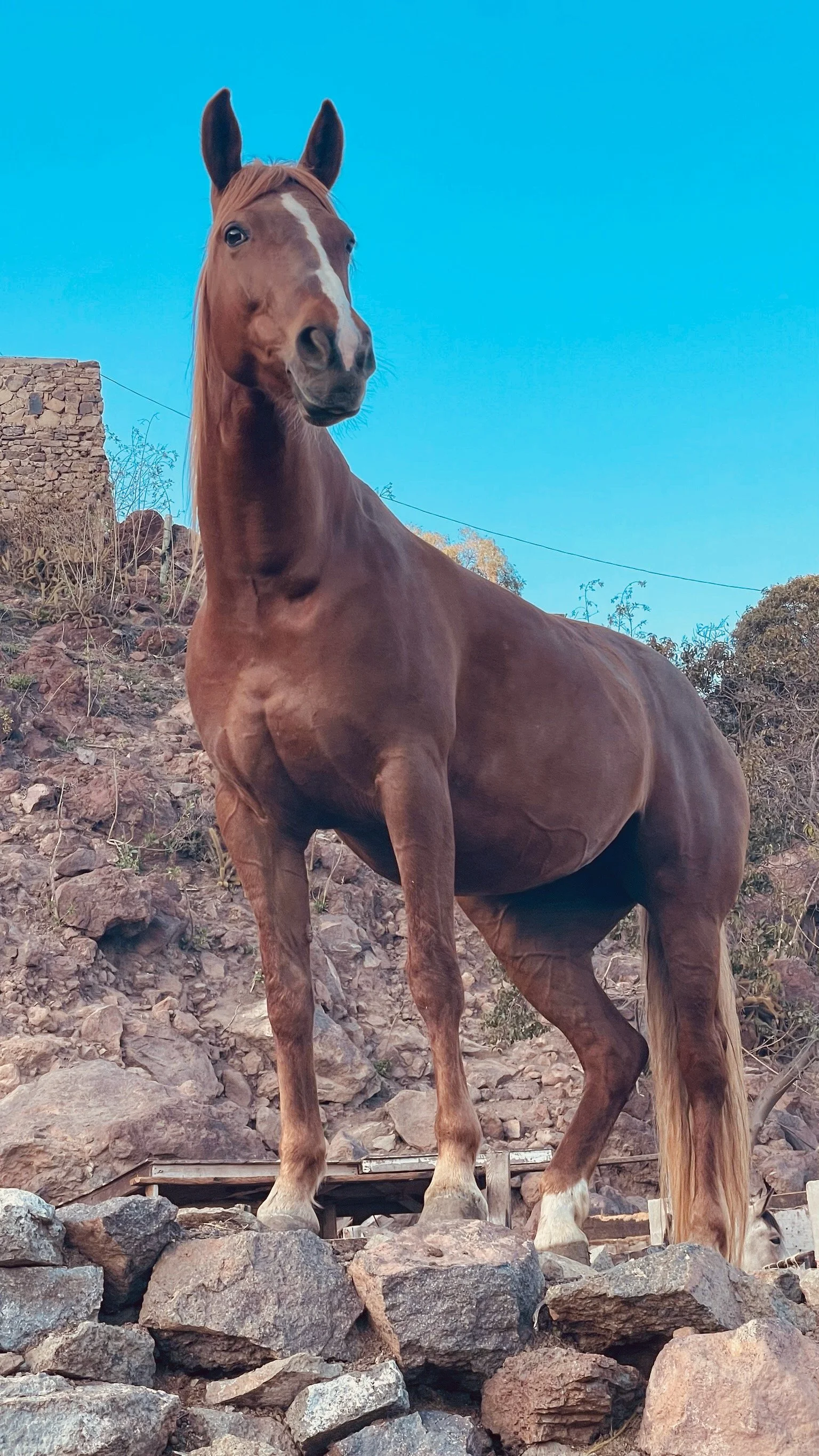
It’s a phrase you might have heard before, but for me, it is a concept I have found deeply rooted in the horse world. Like so many lessons I have learned with the horses, it applies to life as well.
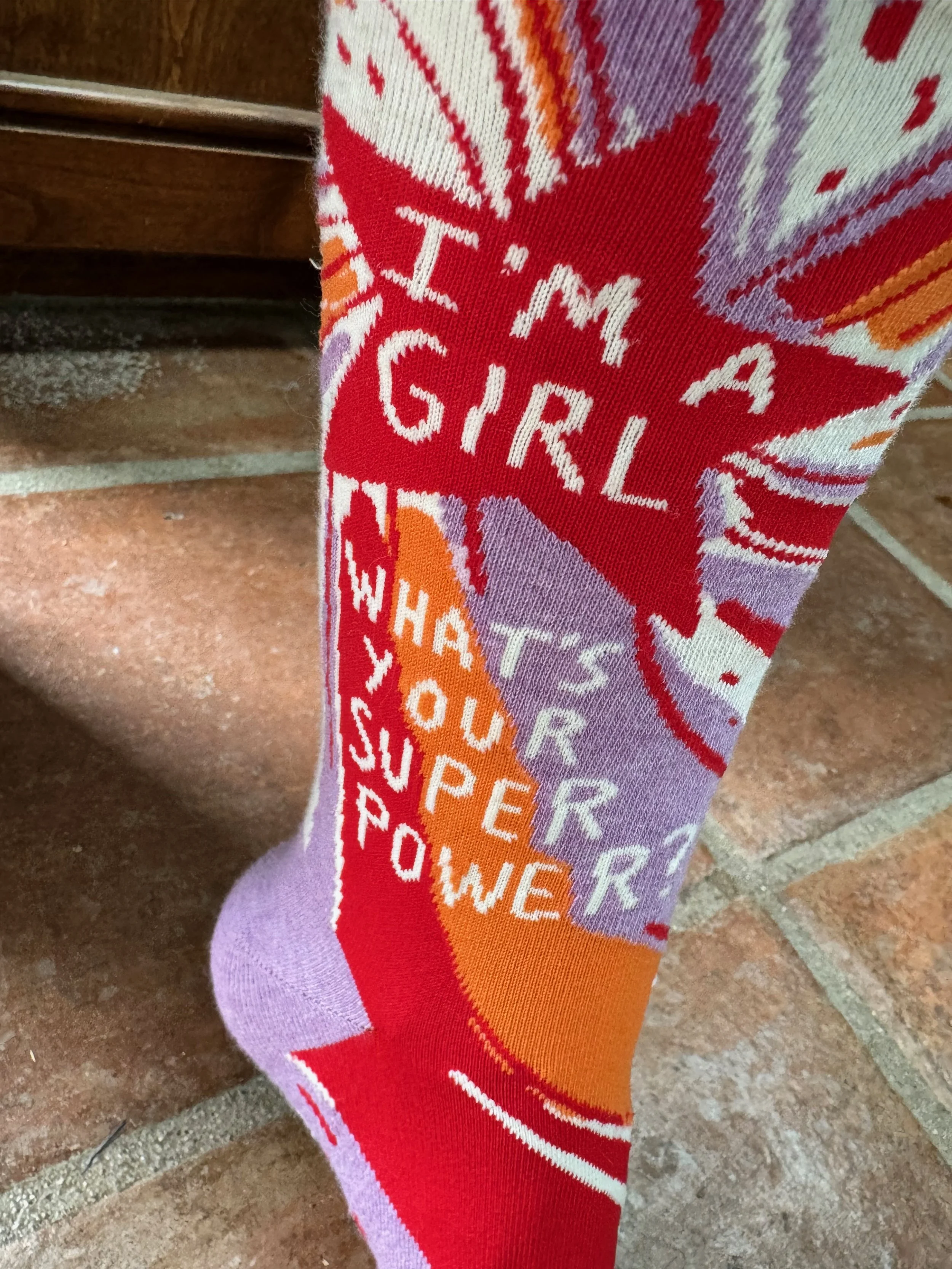
Flabby Arms (the reclaiming)
I don’t remember exactly when it was, but I distinctly remember how it felt.
It was a few years back, on a particularly warm early spring day. The sun was out, and I was walking the dogs in the estuary. I decided to shed my long sleeves to let the sun hit my skin. As I walked, something caught my eye—something large, pale, and swinging in rhythm with my stride.
It was my own arm.
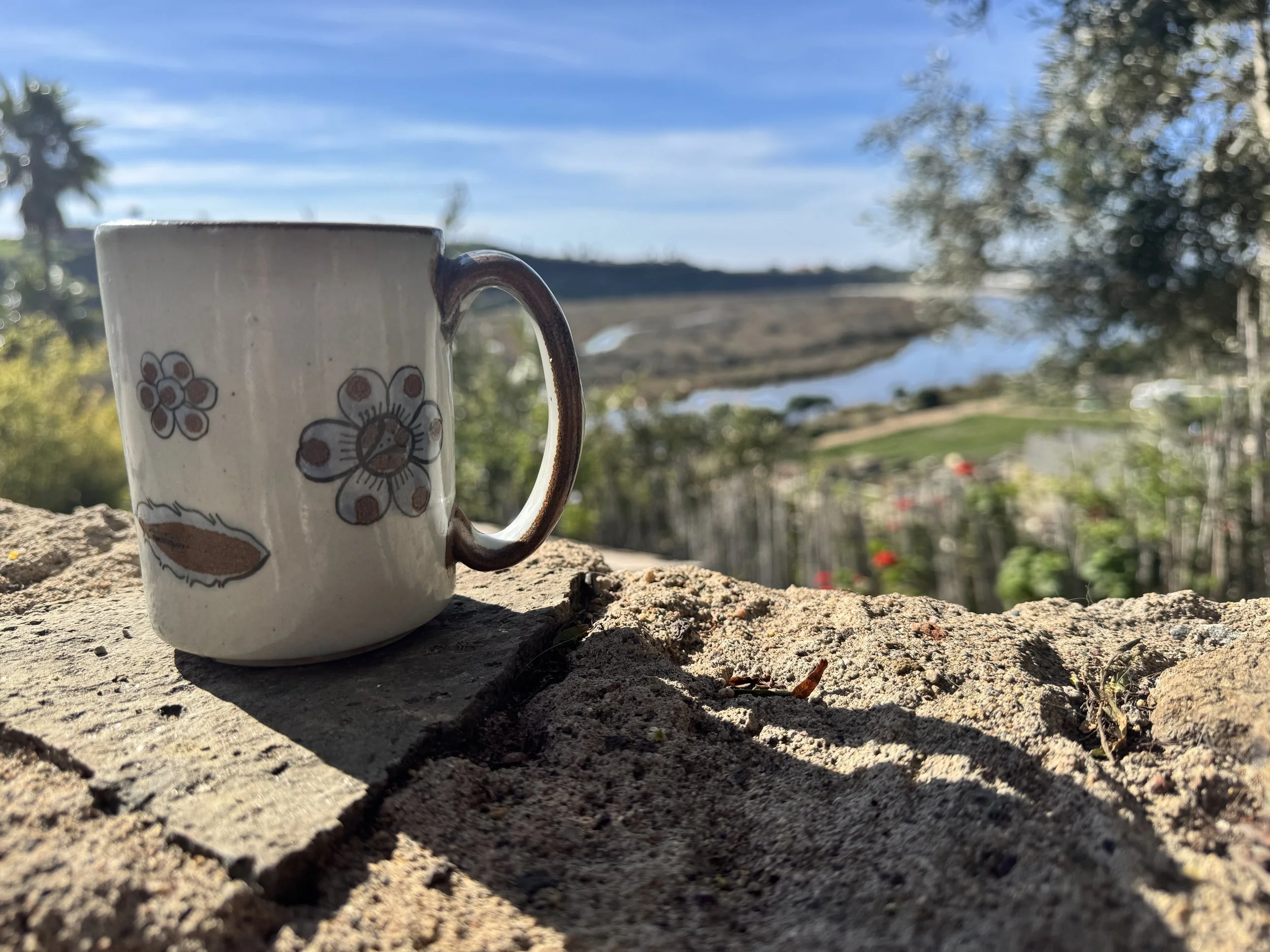
What If Doing Nothing is Actually Doing Something?
What if doing nothing is actually doing something?
I remember a paper I wrote for my high school American History class. I was comparing two US Presidents, ultimately deciding that the one who had "done something" was superior to the one who had "done nothing." My teacher, Mr. O’Hern, looked at my work with his characteristic gentle wisdom and simply commented: "Sometimes doing nothing is doing something." At the time, I didn't fully grasp his point, but the idea lodged itself in my mind.
The thing is, it’s true, isn’t it?
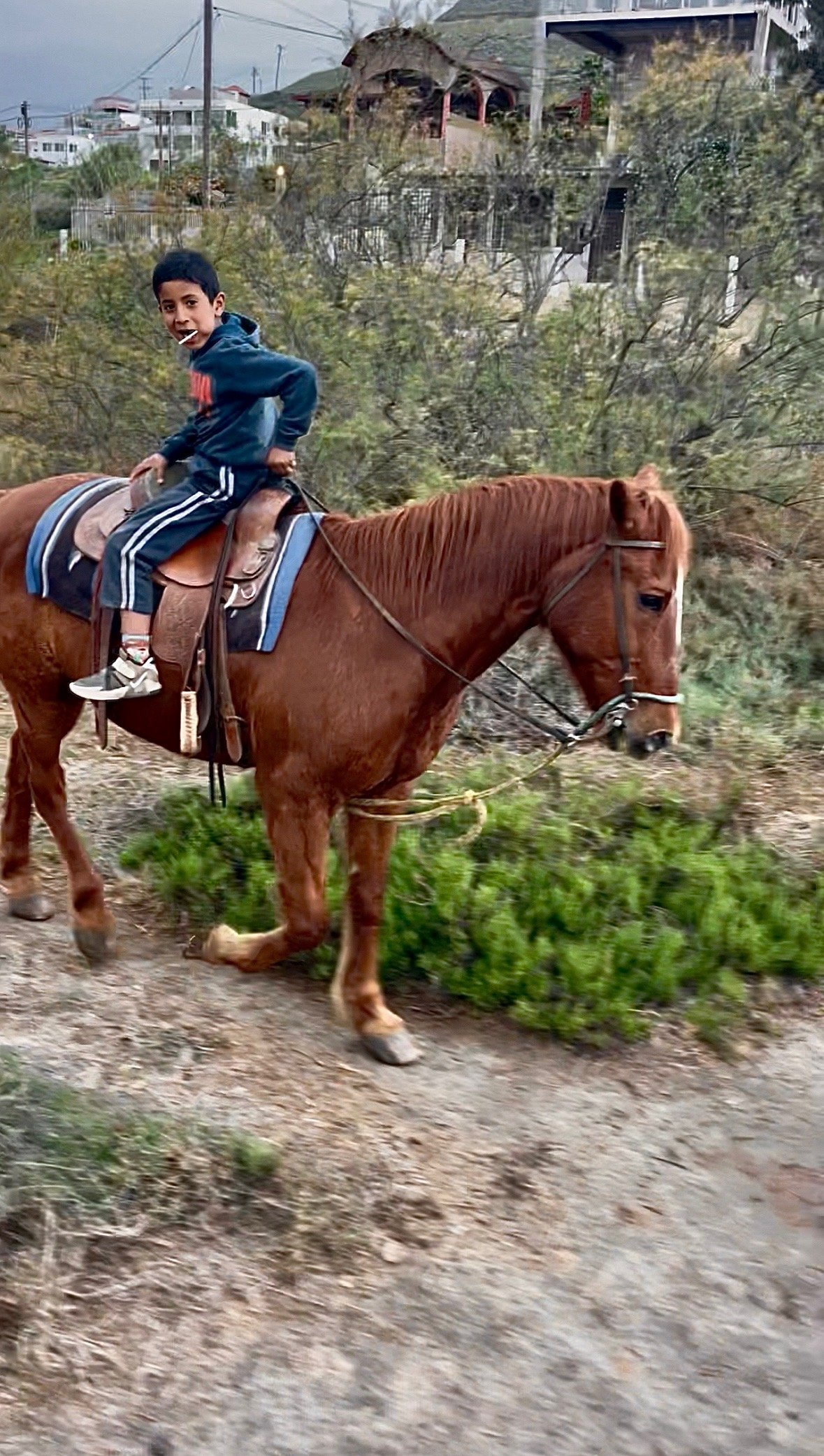
Agency, Action, and the Power of the Hard Path
There is a specific alchemy between agency and action. To me, they create a sense of momentum where one constantly feeds the other, pulling us forward into territory we once thought unreachable.
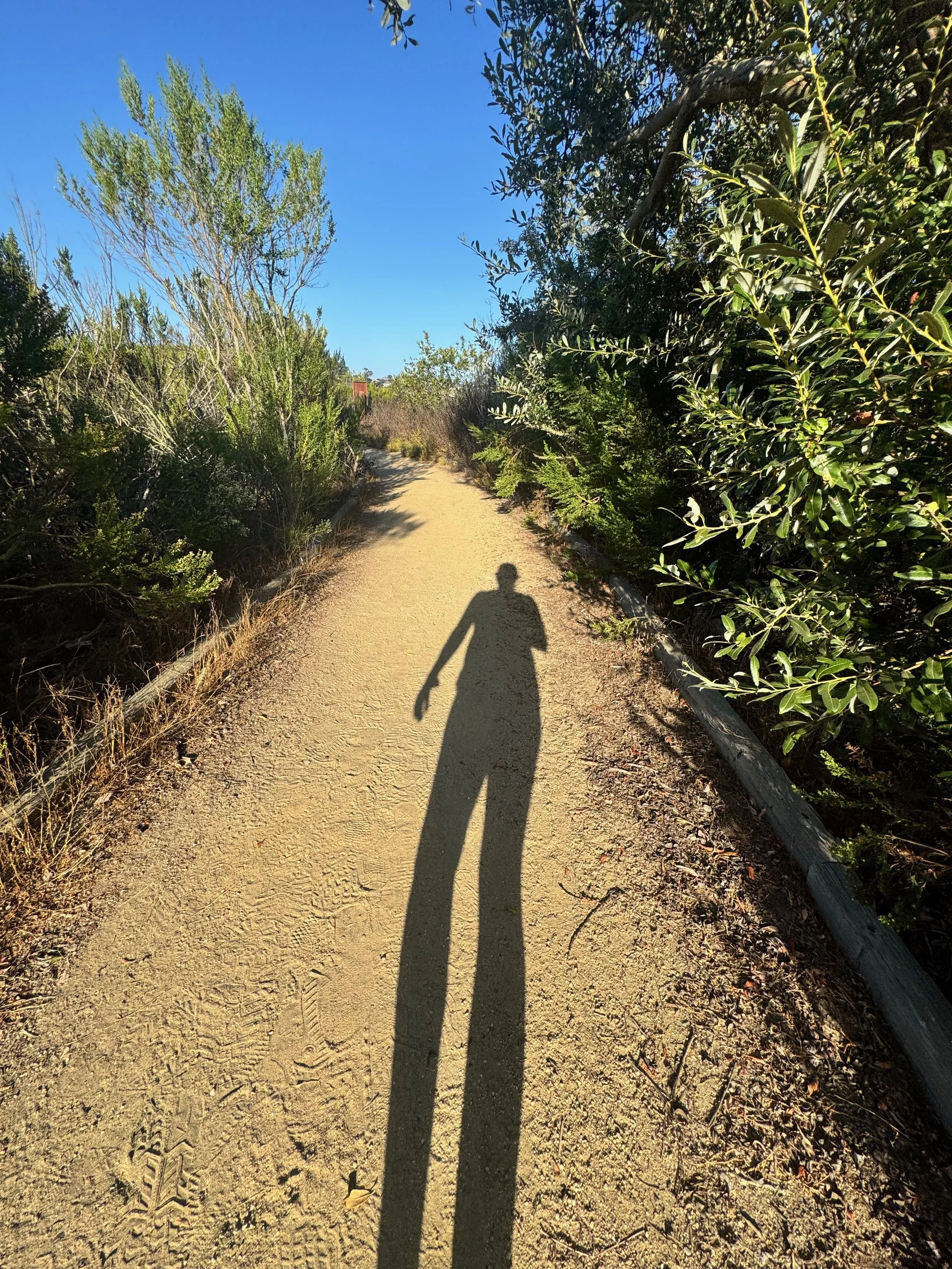
The Moral of the Milk Carton (on agency and action)
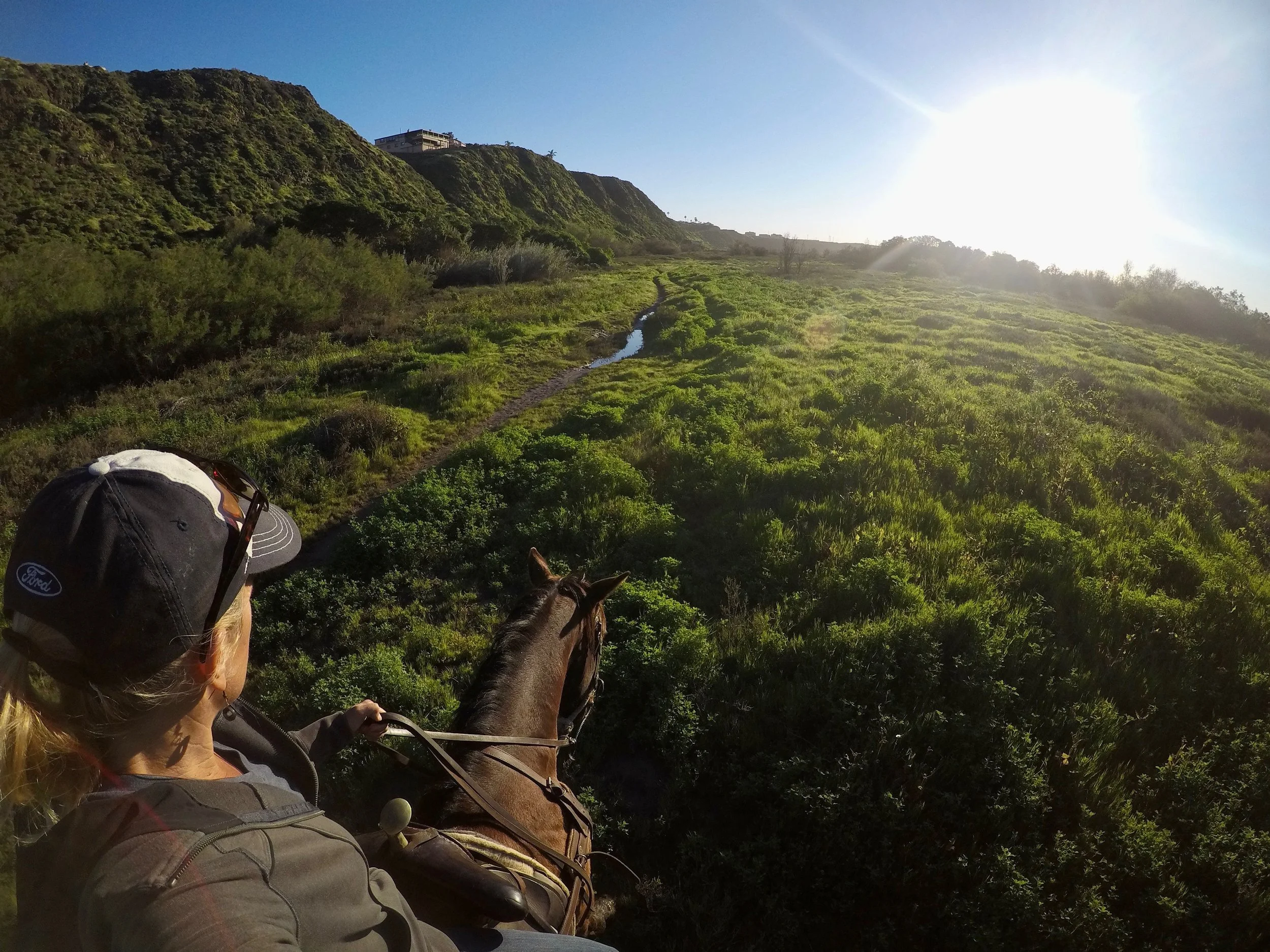
Many years ago, in a different lifetime, I found myself taking a walk near the home where I grew up. I had a lot on my mind, and I figured I needed to get some fresh air and get myself moving. As I began to walk on the nature trail—think Southern California suburbia—houses on one side, but a cliffside view of the Back Bay on the other—I was probably more in my head than actually on the trail. I don’t remember exactly what I was thinking about; I was just lost in thought as I walked.
Be the Peanut Butter (finding your ground when the world spikes)
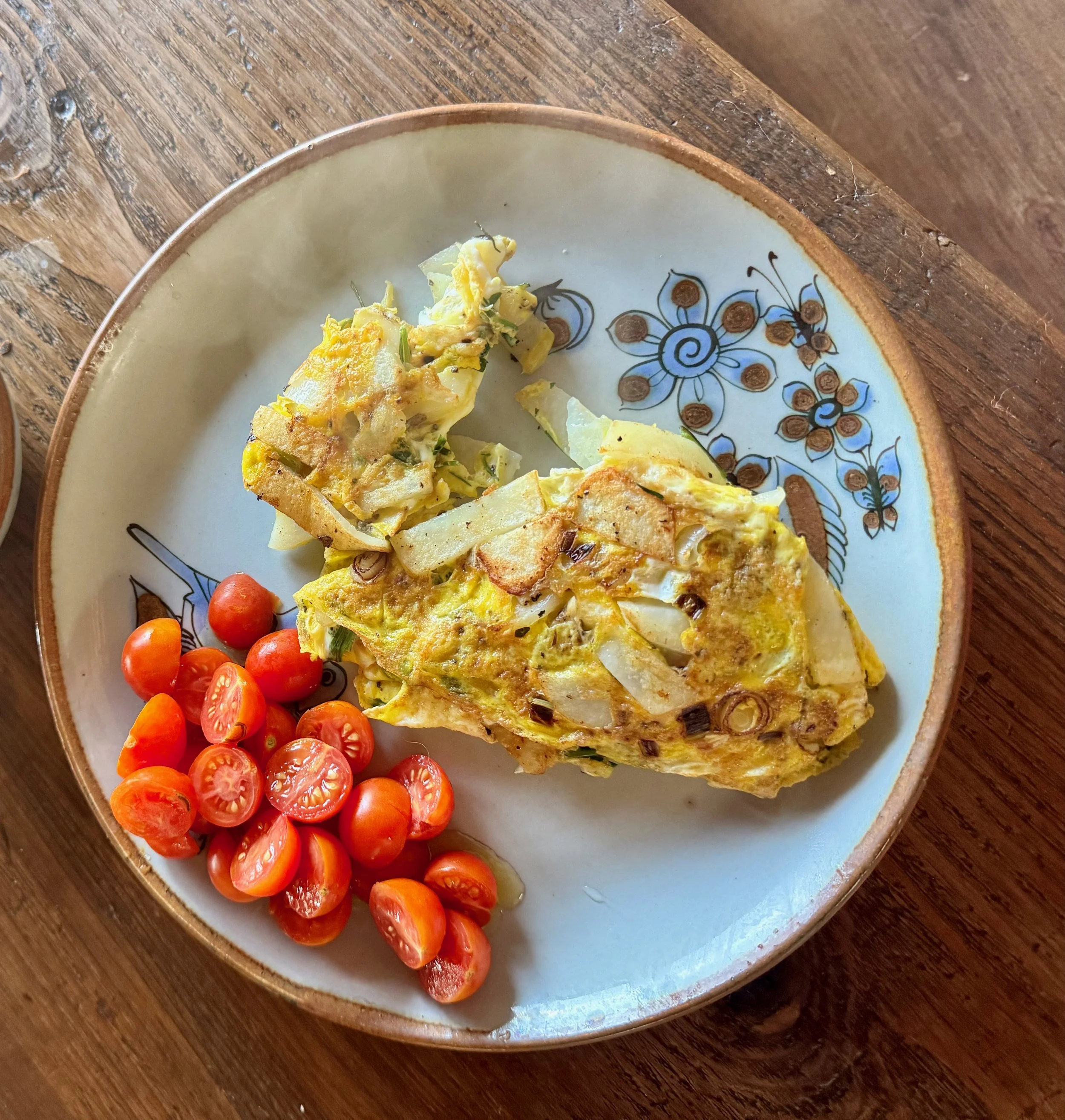
A few days ago, I wrote about the idea of "glucose spikes" actually applying to life—what if life has its own version of these spikes, things that trigger us and cause a sudden surge of intensity? And what if there are things we can do, like "putting clothes on our carbs," to help mitigate that intensity? But today it occurred to me that there is more to it than just our own internal regulation.
Stepping Aside and Doing Something More Beautiful
What if the animals weren’t an accident?
Most stories of St. Francis include something of his relationship with the animals. He preached to birds. He tamed the wolf of Gubbio. He was followed by a lamb—who followed him everywhere, even into church. He viewed all creatures as part of God’s family. These stories are often relegated to children’s sermons or saved for "Blessing of the Animals" services on October 4th. Father Richard Rohr refers to this as "birdbath spirituality"—sentimentalizing the "sweet" and "cute" story of St. Francis. As though it’s just for kids. As though it were simply sweet. As though it didn’t have more to offer.
Clothing the Carbs of Life: A Lesson in Emotional Agency
A while back, a friend told me about a lifestyle shift that was transforming her energy levels. She pointed me toward the "Glucose Goddess"—an author and biochemist who uses science-backed "hacks" to manage blood sugar. As a sucker for the intersection of science, self-help, and wellbeing, I was immediately hooked.
All Who Wander Are Not Lost (the induced meandering of calling)
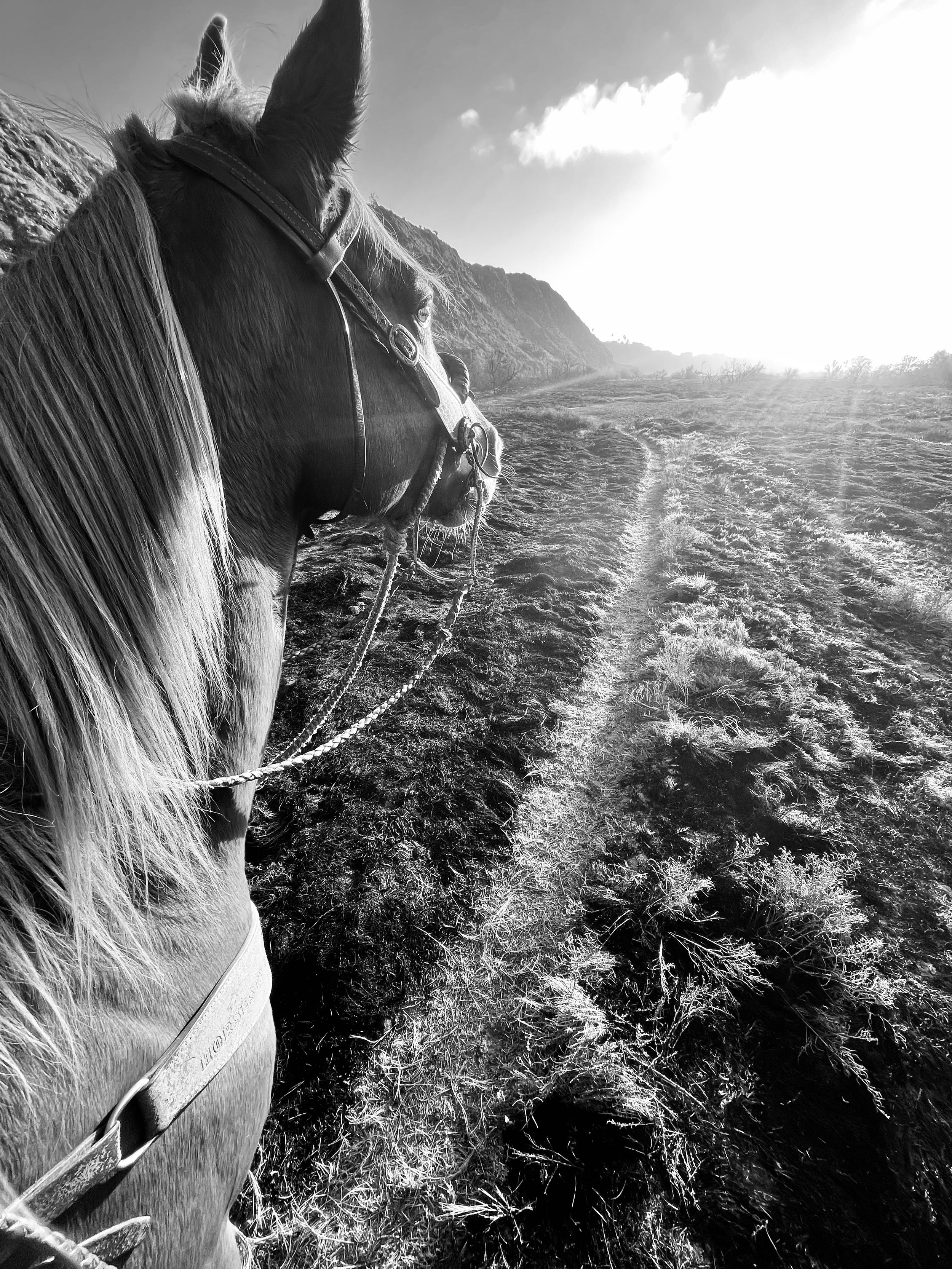
Yesterday, while driving, I found myself listening to an audiobook by Michael Singer on the topic of mindfulness at work. Although I haven't held a "job" in the traditional sense for a long time, the dynamics of "work" remain a central fascination for me. As I listened, I realized that my understanding of work is still deeply entangled with a shadow side.
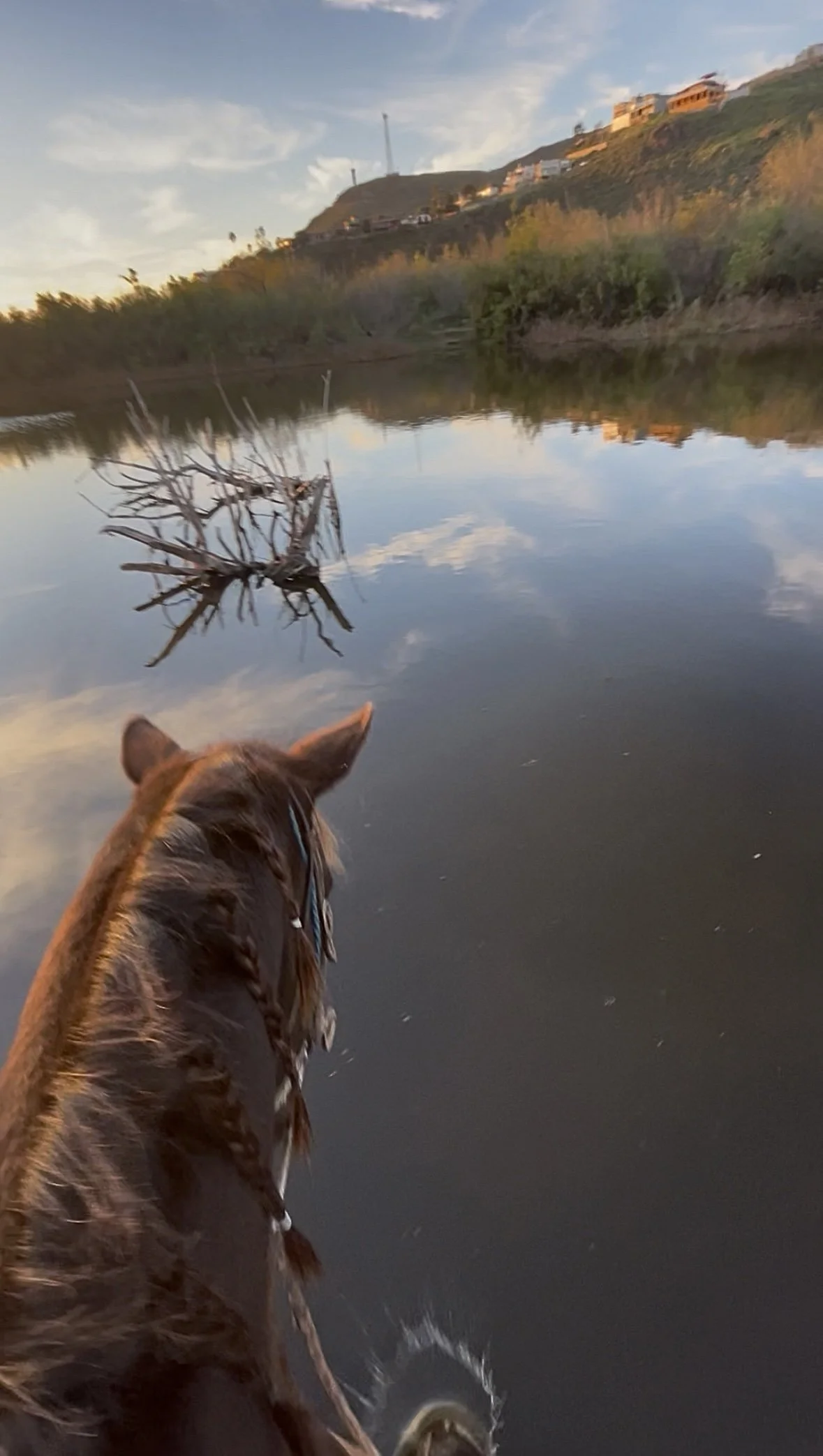
The Engaged Rein: 坐等 & 水の心
I’m not sure quite how to begin this, so I will simply begin.
This morning, while conducting my investing research—a pursuit that surprises many, though I have loved the distinct way of thinking, calculating, and understanding it has provided me over the last five years—I found myself in a conversation with an AI about market strategies. As part of its explanation, it used two characters:
坐等

On Green Flashes and Ordinary Grace
Is this enlightenment? I thought it would be different, somehow.
In the past month, two different people have listened to me share what is moving through me and casually suggested: “It sounds like enlightenment.”
My immediate internal response was: What? Enlightenment is a "big" word. It’s for grown-ups—not for me. It’s for saints, gurus, and masters; for those vibrating on another plane entirely. It isn't for ordinary people.
But what if enlightenment is actually for everyone? What if it isn’t some unattainable peak, but something within reach? And if it were, would we even want it? Or do we gain something by believing it’s not for us—by keeping it reserved for the "serious," the "spiritual," or the "wise"?
The Homecoming: Sinking Into the Now
Lately, I have been moving through a strange sensation. I don't know how else to phrase it: it feels as though I am finally coming home to myself.
It seems odd to say. Shouldn’t one already "be at home" within their own skin? You would think so. But it is as if a part of me has been on an arduous, decades-long journey and has only just walked through the front door.
For years, a part of me has lived like a "Scout"—always one step ahead, planning for the next moment, living in the unfolding future. It wasn't running from the present; it was just constantly striving toward the next thing. Always seeking. Never sitting. Never being.
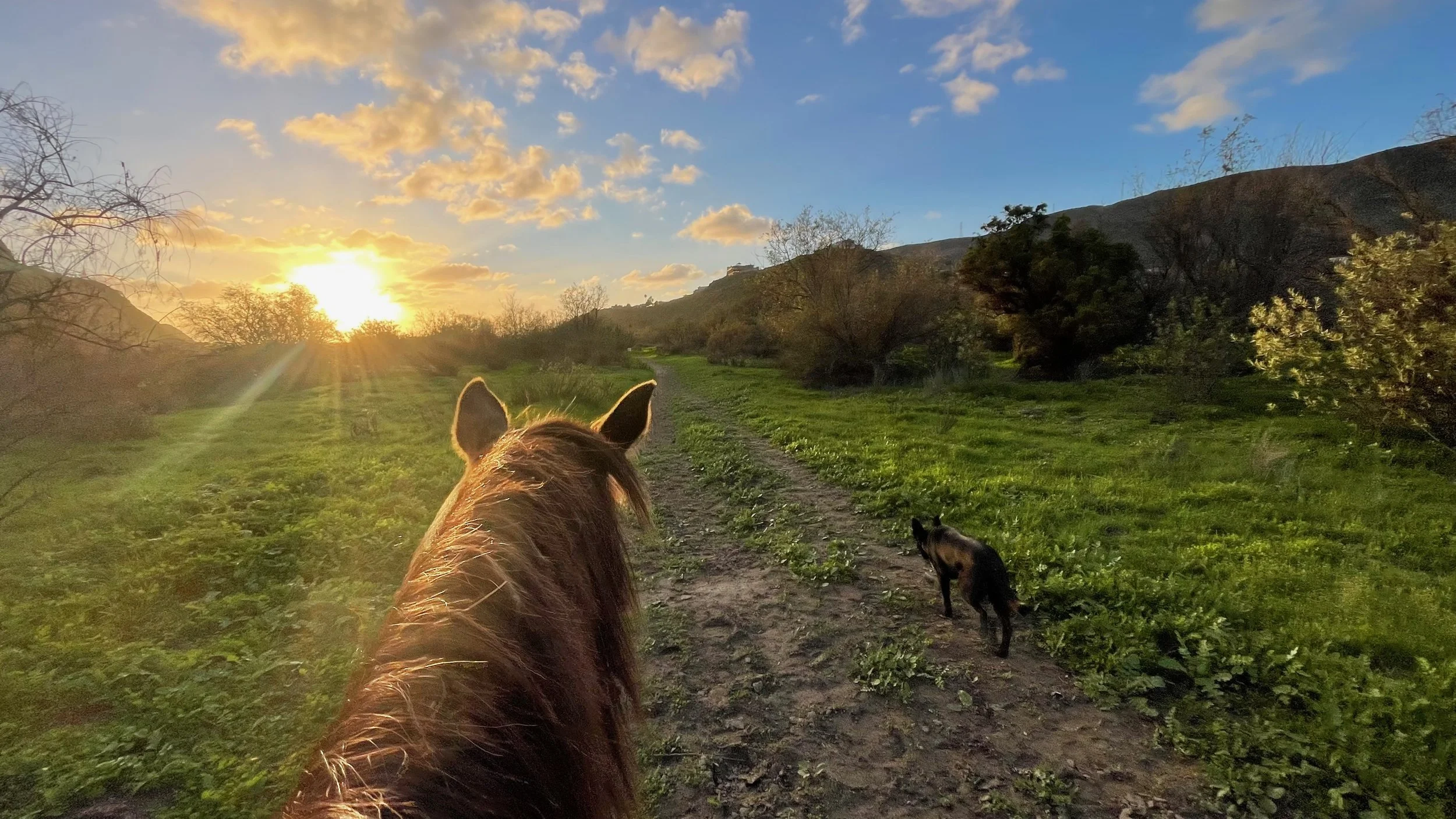
The Sovereign Lead: Reclaiming Your Rhythm in a Stormy World
There is a subtle, exhausting phenomenon that happens when we find ourselves in environments—be they professional, creative, or personal—that feel unpredictable or misaligned. We become "temperature takers." We learn to walk into a room and immediately scan the atmosphere: Is it safe? Is it tense? Who is angry? How much space can I take up today without causing a ripple?