Roots and Wings
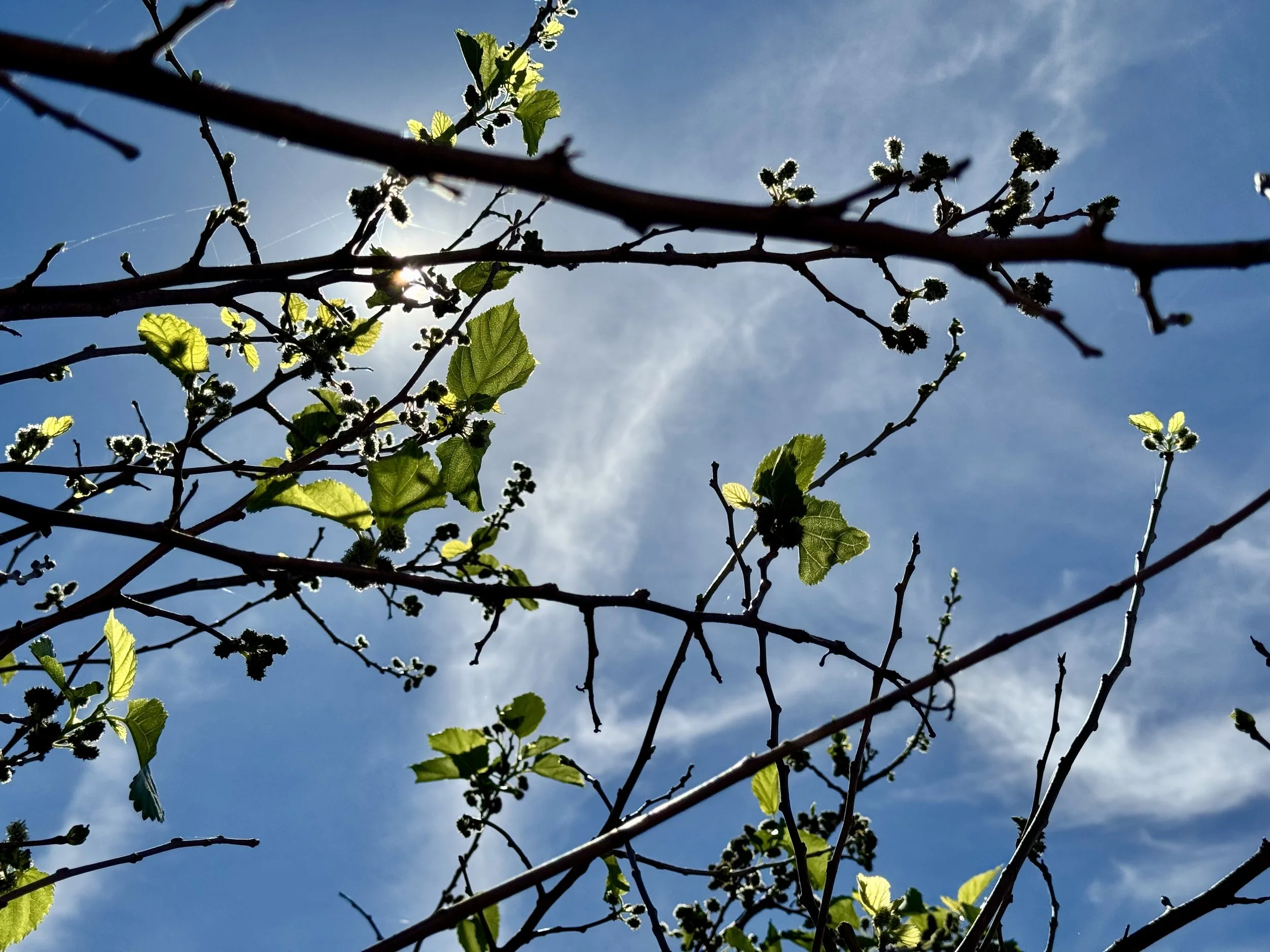
Somewhere along the way, I think I misunderstood. I assumed that to grow healthy roots, you had to sacrifice your wings. Like it was one or the other. I am beginning to realize that, to grow healthy roots, the presence of wings is not an impediment, but essential.
Allow me to explain.
For much of my early adolescence, I had strong roots: a stable family, the same home, a consistent group of friends. I had dependability, reliability, and a foundation. These were the young roots that, when I reached my twenties, provided the base from which to develop my wings—the ability to leave the nest, to soar, to experiment, and to seek out the new and the novel.
In my early twenties, though I had been to most of the 50 US states, I had only been to three countries: the US, Mexico, and Canada. By my early thirties, that number had grown to double digits; by my early forties, I had traveled to over 40 countries across five continents.
In that season, my identity was defined by movement. But movement without a center eventually exacts a price. In those decades of wing dominance, I was often exhausted. I found myself unable to fully inhabit the places I visited because I was still carrying the jet lag of the last departure. There was a sense of untetheredness that kept me slightly off-balance. I longed for rest. I longed for place. I longed for roots.
So, I decided to plant myself. I didn’t consciously choose to discard my wings, but in the process of putting down roots, I inadvertently left them behind. I fell into the trap of believing there was something noble about the trade—as if choosing roots over wings was the final box to check on the list of "adulting."
I remember reading an essay about the beauty of knowing a place deeply—of not being a "vacationer" who leaves before things get real. I was captivated by the idea of "true knowing," and I decided to pursue it. I would develop roots so deep they would seep into my very being. I wouldn't be a tourist anymore. If there is a single moment I can point to, it was likely that one: the moment I packed away the wings.
I will develop roots, I thought. I will get to know this place so well that it will seep into my very being. I won’t be like those tourists who come and go but never truly know.
Looking back, I wonder: Why the "all or nothing"? Why the black or white? Why did I feel I had to sacrifice my wings to grow my roots?
Here I am, more than a decade into that experiment. My roots are deep, and my local knowledge is solid. I love the ritual and the steadiness. I love the peace and groundedness that come from deep knowing. And yet, like the tug of a phantom limb that a person keeps feeling after it is gone, I have begun to feel those wings calling. Like Vianne in the movie Chocolat, the north wind is blowing and I wonder: Is there a way to have both?
But, how can one fly with such solid, weighty roots?
It is not that I want to pull the roots up or tear them out—hardly. I have come to appreciate and value them too much. But I wonder if roots exist simply for roots' sake? Perhaps the point of a deep root system is not to keep the tree tied to the dirt, but to provide the stability required for the branches to reach higher into the heavens. A tree sends its roots down into the ground not just to have roots, but so that it can actually grow. It is that growing, that reaching for the heavens, that then provides the life the roots need to continue to grow.
What does it look like to have both? What would it look like to soar again, but this time with roots?
I remember, during those years of constant international travel, meeting a pastor who was sharing his story. I believe it was in Taiwan. He had been leading his church for 30 years. When our group showed surprise at this longevity, he answered with the air of someone letting us in on a secret. He said the secret to such longevity, such roots, was to consistently invent new adventures, new challenges, new opportunities, and new projects. "A fruit tree will not produce fruit if you keep pulling it up every few years, will it?" he asked.
Maybe that sunk in more than I realized. For, in the past decade of my "rooted" life, I have become a savvy investor; I have become an intuitive, capable horsewoman; I have started and run a small business in a second language and a country not my own—a business that employs young people so they can learn skills and provide for their families. I’ve learned to harvest rainwater. I’ve learned to grow food from soil that, when I began, was more rocky than fertile.
These "roots" have been anything but stagnant. Perhaps this is what that pastor meant. Perhaps this is what it looks like to have both wings and roots. It is the ability to travel not to escape one’s life, but to deepen it. To stay in one place not to be static, but to bear fruit.
So, what about the wings?
Perhaps the missing wings weren't gone at all; they were simply working underground, giving the roots the strength they needed so that, when the wind finally caught them, the whole tree could reach for the sky.
So, I find myself searching for a third way. Is there a way to answer the North Wind without leaving the garden? Is there a way where the wings don't take you away from your life, but further into the heart of it? I thought that in ‘staying’ I had relinquished ‘adventure.’ But I am learning that staying isn't the opposite of adventure. In fact, now that I am rooted, the real adventure is seeing how these new wings can soar.
Having both wings and roots means that when I fly, I am not fleeing. And when I stay, I am not stuck.
