(On Being a Conduit of the Good)
When I was a Girl Scout, each spring I’d set off door to door in my neighborhood hitting up my gracious neighbors for a box—or five—of Thin Mints, Do-si-dos, or Tagalongs. I also visited my dad’s work at the City Hall and hit up the Planning Department, the secretaries, and the Building Department. Other girls just sent their signup sheet with their dad— but my dad made me do the selling myself. I considered resenting this, but I actually liked the chance to get to chat with Mr. Dalton and the front desk ladies each year.
I loved everything about cookie season. I loved talking to the neighbors, watching the sheet fill up and collecting the top prize—usually a mediocre stuffed animal I wouldn’t have looked at twice in a store. I remember a neighbor saying, “You’ll be a great salesperson one day.” I practically burst with pride.
But eventually, another idea made itself known. I discovered that “salesperson” wasn’t only a compliment; it could also be a critique. Salespeople were often considered slimy, manipulative, and pushy. Who would want to be that?
What was more noble, it turned out, was not to sell but to serve. By then I was a “church person.” We traveled with the youth group to Appalachia or Tijuana to “serve those less fortunate.” I loved those trips. It felt good to be in a community of helpers. Doing good. It felt, well, it felt a bit righteous - as though we were doing the right thing.
Then, years later, one summer I went to Mexico City with the college group from my church. (This was back in the 90’s before it was so hip.) I expected we’d build houses or play with orphans—the usual “help.”
Instead, my worldview was turned upside down.
We weren’t there to help; we were there to learn.
One day we received a lecture from a Mexican scholar, a PhD, who interpreted the Diego Rivera murals in the Palacio Nacional. I was amazed at his knowledge and wisdom.
One day we toured a ‘slum area’ where the local residents were building their own social services and community structures. As they shared their project with us I realized - I was the student, and they were the teachers.
It made me question years of “serving.” Had I been helping, or had I just been reinforcing a hierarchy where somehow I was the one with the solution?
It’s easy to go through the world thinking we have to either sell or serve. We feel we must either convince people they need what we’re selling, or convince them they need our help. Selling feels shady; serving can have the unintended consequence of making people feel incapable.
But there is an antidote to both: Sharing.
It sounds like a semantic distinction, but it’s deeper than that. The answer to selling is sharing what has worked for you, what has moved you, what has brought you joy. If something made your life better, why wouldn’t you want others to have it too?
The answer to serving is also sharing. Sharing removes the hierarchy. It assumes mutuality—that I have something to give and something to receive, and so do you.
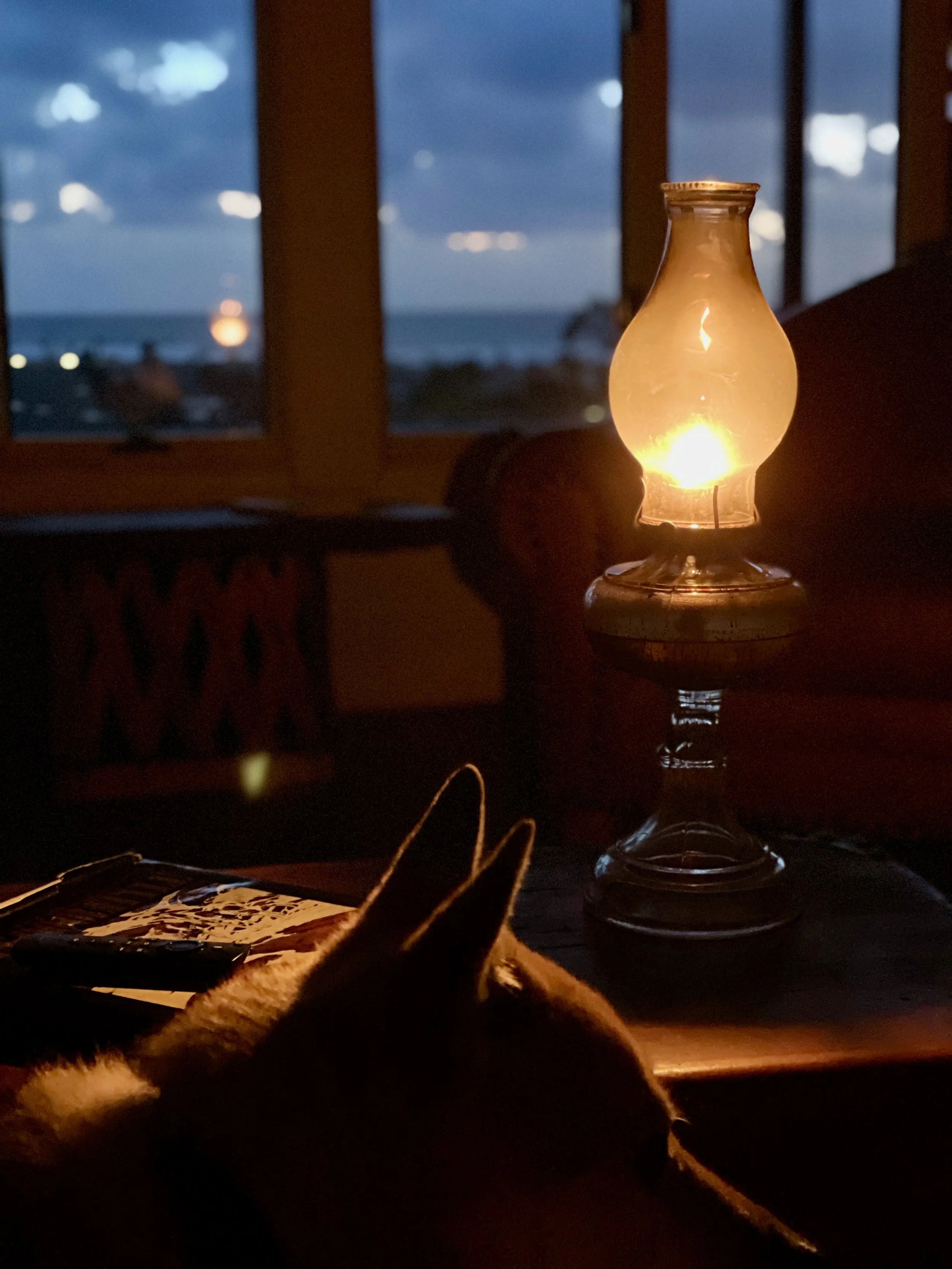
Many creators—writers, photographers, makers—are reticent to “sell” their work. We don’t want to seem shallow or pushy. But sharing the creation is what brings it into its fullness. You don’t light a lamp to hide it under a basket; you light it so the light can be shared.
